Tuesday, July 19, 2016

Strathcona County Updating Priority-Based Strategic Plan


"Some recommended updates to the strategic plan include revising prioritized strategic goal ranking, adding outcome statements for strategic goals, and integration of priority-based budgeting references."


Strathcona County, Alberta, Canada, is leading the way in priority based business planning and budgeting. As the first municipality in Canada to implement online PBB, this will result in Strathcona County being more proactive, strategic and effective in program and service delivery.

Priority-based business planning and budgeting will result in Strathcona County being more proactive, strategic and effective in program and service delivery. The process will provide valuable information that supports decision-making by directors and managers, enabling them to allocate or reallocate resources, based on each program or resource request’s alignment to strategic and corporate priorities. It can also be used by the organization to set targets and determine how resources are aligned, based on priorities.

The article below (County strategic plan under review) was recently written by Krysta Martell and published by the Sherwood Park News.

County strategic plan under review


Strathcona County’s strategic plan and corporate business plan are undergoing revisions, one of which may see more accountability through firm outcome guidelines.

During the June 21 county council meeting, the Corporate Planning and Intergovernmental Affairs department presented an update on council’s strategic plan, as well as proposed changes.

Acting as the county’s principle guiding document for governance, community development, infrastructure and service delivery, the county’s strategic plan serves as a foundation for the development of a corporate business plan, departmental business plans, the county master plan, and priority-based budget results and budgeting, itself.

The strategic plan is made up of 12 prioritized goals with the top three being:
  • Strategically manage, invest and plan for sustainable municipal infrastructure;
  • Increase and diversify the petrochemical industry; and,
  • Advance the community’s interests by developing and maintaining strong relationships with our neighbouring municipalities and civic organizations to ensure long-term prosperity.
“This is the culmination of a lot of work that has been done by council over the last 16 months,” said John Dance, manager of corporate planning with the county.

He added one of the reasons an update to council’s strategic plan is necessary is to consider existing and evolving conditions in the community and to encourage ongoing learning.

“These documents... are critical to our planning framework, but what is equally important is the learning that we take from these documents as we use these documents,” Dance stated.

Some recommended updates to the strategic plan include revising prioritized strategic goal ranking, adding outcome statements for strategic goals, and integration of priority-based budgeting references.

Recommended updates to the corporate business plan include reflecting updates from the strategic plan in the corporate plan, refinement of some objectives for clarity and direction, and ongoing refinement of performance measures to reflect commitment to continue working on developing meaningful measures and informed targets.

“We seem to be going right along with the modernized MGA (Municipal Government Act),” said Ward 8 Coun. Fiona Beland-Quest. “Other communities are going to have a lot more work than we do, as administration and council, to get behind what those recommendations are because I see this is fitting in nicely.”

County Mayor Roxanne Carr said it can be a struggle for a municipality to reach out and start two-way communication with the public.

“We have evolved as a municipality,” she said. “We have other municipalities looking at us now and saying, ‘Oh yes, that was a great idea. Why don’t we try it?’ I think it is interesting that our public is evolving, as well. We have our rural public... with two-way communication through the community hall consultations that have gone on out there.

“I’m mindful of our task forces. The Mayor’s Task Force on housing, they just reached out to so many more sectors of the public and... the task force on mature neighbourhoods... they are so thankful that we have been doing the things that we have never done before, and they speak very highly of our engagement process.”

Council members voted unanimously to approve the revised strategic plan and corporate business plan.

Congratulations to Strathcona County for their uniquely innovative and inspiring approach to implementing Priority Based Budgeting. Using the OnlinePBB platform, Strathcona County staff are setting the bar high with their extensive approach to PBB training throughout the organization - equipping every department with access to the tools, and training them how to dive into the data to make resource re-allocation decisions.

As if this weren't enough, the County's dedication to "open data" is leading the evolution of PBB as an open, dynamic, citizen-engagement tool with the access to OpenPBBdata (stay tuned!)...  

The Center for Priority Based Budgeting
“A Prioritized World” 
2016 Annual (Un)Conference
Denver, Colorado | August 2 - 4, 2016
Sheraton Denver Downtown Hotel 

Thursday, July 7, 2016

City of Toledo Mayor Hopes Move to PBB Will Restore Faith in City Government


We will have information at our hands that we don't have right now. Council, because council has to approve the spending that comes before us, this is going to give us a great tool to be able to understand where we want to allocate dollars." - City of Toledo Councilperson Sandy Spang


In an unprecedented public-private partnership, the Toledo Regional Chamber of Commerce is partnering with the City of Toledo, OH to bring Priority Based Budgeting (PBB) to Northwest Ohio. The Center for Priority Based Budgeting is thrilled to join this partnership in bringing PBB to the "Glass City!"

The City of Toledo launched their Priority Based Budgeting initiative earlier this week.

The following article (Officials get first look at budget firm's process) was originally published by the Toledo Blade and written by Ignazio Messina.


Mayor hopes move will restore public’s faith in city government


The City of Toledo is spending money to save money. City council is changing the way they look at the budget hoping to save money in the end.

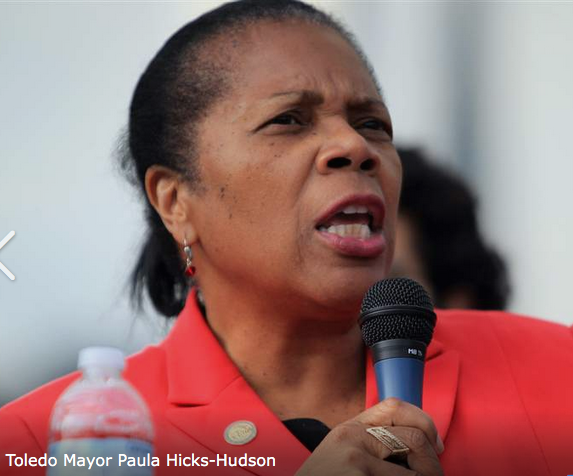
Toledo officials got their first look at a new way to budget Wednesday, a process the Hicks-Hudson administration believes will help restore the public’s faith in the municipal government.
n7sobczak-3
 
The city has never done an “across-the-board” process determining the costs for each program, Chief of Staff Mark Sobczak told a group of high-ranking city employees. He made his comments before a webinar with Colorado-based consultants hired to shepherd the city through a review of its budgeting practices.
 
Toledo City Council unanimously voted last month to spend up to $50,000 from the city’s general fund to hire the Center for Priority Based Budgeting, of Englewood, Colo. The Toledo Regional Chamber of Commerce contributed another $44,500 to help the city pay the firm’s $94,500 anticipated bill.
 
“This is a very serious undertaking for us, but also an opportunity,” Mayor Paula Hicks-Hudson said.
 
The mayor said the process will help convince voters to renew the city’s temporary income tax.
 
The tax will be on the ballot in November, but the mayor has not yet said whether she will ask for a renewal of the existing 0.75 percent income tax, an increase, or a combination that includes the existing tax and an additional amount.
Voters in March rejected a 1 percent temporary tax to replace the 0.75 percent tax.
 
Mr. Sobczak said the 70-minute webinar, held at the University of Toledo’s Driscoll Alumni Center, was “a good overview” of the program.
 
The Hicks-Hudson administration intends to identify the cost of all city programs and prioritize each, he said.
 
“Part of the process we learned in today’s exercise is to be in better communications with the citizens,” Mr. Sobczak said.
 
Eileen Granata, the city’s chief operating officer, said the group will compile a database and produce a report after doing a series of interviews with city officials, employees, and residents. It will include recommendations and data that could be used to help create the city’s 2017 budget, she said.
CTY-budget13p-2  
 
City Finance Director George Sarantou asked all city directors to start writing their budgets for 2017.
 
“Clearly, this process gets us thinking what are the important things and how do we deliver those services in the most efficient manner,” he said. “This is an exercise the city hasn’t been through, and it was a great start.”
 
Mr. Sarantou said the process will include seeking input from the public.
 
Councilman Sandy Spang, who pushed for changing the city’s budgeting process in her unsuccessful mayoral campaign last year, said she has high hopes for the program. “If it is done with transparency, it is going to be an opportunity for the public to be able to establish priorities for spending,” she said. “I hope it will be a tool for the city to achieve fiscal health and restore the public faith in the budgeting process.”
 
The Center for Priority Based Budgeting
“A Prioritized World” 

2016 Annual (Un)Conference

Denver, Colorado | August 2 - 4, 2016
Sheraton Denver Downtown Hotel 
 

Tuesday, June 28, 2016

4 Things You'll Learn About Data, Leadership + Budgeting at the CPBB 2016 (Un)Conference!


"When analyzed, interpreted and explained well, data is the best tool to distinguish problems and actuate lasting change."


The Center for Priority Based Budgeting 2016 "Prioritized World" (Un)Conference is just over a month away. The 2016 CPBB Unconference is going to be our biggest and most dynamic event to date! We'll be featuring many of the most creative and innovative local government leaders from across the country! See this link for our full conference program!


But don't just take our word for it. The National Research Center (NRC) has been a CPBB partner for many years now. Last year NRC engaged at our 2015 conference (and is a sponsor of the 2016 conference). And published a piece articulating exactly what they learned during the event.

We found this extremely valuable and hope others will too when considering whether to attend this year. We certainly encourage you to and hope to see you in Denver this August!

4 Things We Learned About Data, Leadership and Budgeting at the 2015 CPBB Conference 


“Driving the Data Focused Future of Communities”


Audience

The Center for Priority Based Budgeting (CPBB) lead about 100 community officials into critical discussions on budgeting, leadership and the data-driven future at their 4th Annual Conference in Denver. 

This year’s “unconference” featured innovators in local government who pioneer best practices in data-based initiatives.  As a company who collects, analyzes and provides the data needed to drive communities forward, National Research Center, Inc. (NRC) was pleased to attend the conference and gather a few notes to share.

1.  Opinion Data Take-Away

Tom Miller, NRC President & CEO
tom-nrc--mark-funkhouser-of-government-magazine_20327878726_o


Keynote speaker Mark Funkhouser, former mayor of Kansas City and publisher of Governing magazine, revealed how leaders should first consider the results from opinion data.  He said that when executive staff or elected officials receive citizen survey results that identify areas the public finds to need improvement, best practice should NOT be to conclude that residents simply don’t understand the wonderful work the local government is doing; best practice should NOT be to aim only at educating the uninformed. (This attitude may be perceived by the public as arrogant.)  Instead, leaders should read their survey results as opportunities to do better by improving services, partnerships or policies.  [Tom Miller with Mark Funkhouser pictured.] 


2.  Effective Use of Data

Damema Mann, Senior Survey Associate
damema-nrc_19733218813_o

The conference reaffirmed the importance of using data effectively.  It is not enough to collect data just for the sake of having it.  Data must be interpreted and used for the community’s benefit.  Brian Elms from Denver Peak Academy mentioned that math should be simplified and jargon minimized when outwardly communicating data-informed decisions (a reoccurring theme at this year’s “unconference”).  When analyzed, interpreted and explained well, data is the best tool to distinguish problems and actuate lasting change.


3.  Focusing on the Reason

Chelsey Farson, Research/Survey Associate
chelsey-nrc_20360223121_o


Something that really stuck with me was the strategy of “starting with the why” from Kathie Novak’s presentation on “Understanding the Role of Local Government.”  If local government leaders want to have great influence in their community, they must first ask about the purpose and role of local government; why does it exist from the perspectives of citizens.  Understanding citizen priorities and perspectives should be a valued contributor to strategic planning and should define the true purpose of local government in their community.


4.  Transparency in Finance

                                              Angelica Wedell, Marketing and Business Development Coordinator
Angelica at CPBB15

CPBB Conference host and co-founder Jon Johnson emphasized the need for transparency in government budgeting.  He stressed that communicating specifics with the public fosters trust.  “Show the people what the money is for,” he said.  Transparency can answer tough questions in advance and prove that the funds have a valid reason.  Whether with working capital, general savings, emergency funds etc. – transparency allows government organizations and the public to work together.


National Research Center, Inc. is a leading research and evaluation firm focusing on the information requirements of the public sector, including non-profit agencies, health care providers, foundations and local governments.  Visit our home on the Web 
at www.n-r-c.com.  Check out our blog for more news, tips and human-interest stories from NRC.


The Center for Priority Based Budgeting
“A Prioritized World” 

2016 Annual (Un)Conference

Denver, Colorado | August 2 - 4, 2016
Sheraton Denver Downtown Hotel 
Monday, June 27, 2016

Why Strathcona County Council & Administration have Embraced Priority Based Budgeting


"Its (PBB's) ultimate goal is to help taxpayers understand why programs or services are offered, what they cost, and consequently, the value they provide to citizens and businesses to ensure we are “fiscally prepared” for whatever is ahead." - Strathcona County Councillor Linton Delainey


Strathcona County, Alberta, Canada, is leading the way in priority based business planning and budgeting. As the first municipality in Canada to implement online PBB, this will result in Strathcona County being more proactive, strategic and effective in program and service delivery.

The process will provide valuable information that supports decision-making by directors and managers, enabling them to allocate or reallocate resources, based on each program or resource request’s alignment to strategic and corporate priorities. It can also be used by the organization to set targets and determine how resources are aligned, based on priorities.

To date, Council and Administration have developed a strategic plan and completed a 4E (efficient, effective, equitable and economical) review of business plan and budget processes. Strathcona County undertook the review, recognizing the volume of effort required by these processes, and the impact both the process and results have on internal and external stakeholders. The review identified optimal business planning and budget processes and methodologies that will:
  • Help meet the County’s service delivery and fiscal objectives
  • Add value, incorporate best practice
  • Be less onerous and time consuming than current practice
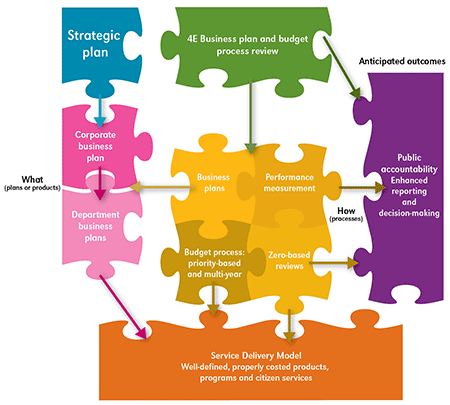
  • Complement the Economic Sustainability Framework implementation projectIncrease accountability and transparency through performance measurement reporting.Since that time, the County has embarked on processes (see diagram below) to implement the recommendations arising from the 4E review.
  • Costs associated with this effort will be used to develop reporting tools and software, determine service levels and expectations, and to hire dedicated staff.
 
gr-CPIA-Puzzlepieceexploded-450x405.gif

When complete in 2015/16, these processes will simplify and strengthen business planning and budgeting at Strathcona County, providing focus and direction to all of the County’s activities.

Congratulations to Strathcona County for their uniquely innovative and inspiring approach to implementing Priority Based Budgeting. Using the OnlinePBB platform, Strathcona County staff are setting the bar high with their extensive approach to PBB training throughout the organization - equipping every department with access to the tools, and training them how to dive into the data to make resource re-allocation decisions.

As if this weren't enough, the County's dedication to "open data" is leading the evolution of PBB as an open, dynamic, citizen-engagement tool with the access to OpenPBBdata (stay tuned!)... 

This new article below (Can priority-based budgeting do the job?) was originally published by the Sherwood Park News and written by Strathcona County Councillor Linton Delainey.

Can Priority Based Budgeting do the Job?


Regardless of which budget model Strathcona County uses, or whatever name is used to describe it, the request I receive most often from residents remains the same: “Tell us where you plan to spend our money, show us where you spent it, and tell us what we got for our property tax dollars!” In short: “Show me the money!”

The philosophy behind priority-based business planning and budgeting (PBB) is not unlike other budget models. Resources should be allocated based on how effectively a program or service achieves the goals or objectives that are of the greatest value to the community. Its ultimate goal is to help taxpayers understand why programs or services are offered, what they cost, and consequently, the value they provide to citizens and businesses to ensure we are “fiscally prepared” for whatever is ahead.

To get the PBB process started, council developed their strategic plan, Powering our New Tomorrow, aspiring their vision of what they think our community might look like in 2030 to make Strathcona County “Canada’s most livable community.”

This plan is comprised of eight priority areas and five pillars of sustainability, based on the strategic planning framework developed by current and previous councils. It is your council’s perceptions of what they believe is most important to taxpayers in achieving our long-term goals and meeting the needs of our county as identified in various master plans such as transportation and transit, agriculture and others. Together, these form the guiding documents for governance, community development, infrastructure and service delivery when our county’s 19 departments develop annual and multi-year business plans, uniquely designed to align with the Corporate Business Plan, against which their success will be monitored and measured.

During 2016 budget deliberations last November, I indicated it was my desire that administration invite the Center for Priority-Based Budgeting to make a formal presentation to council. I am pleased to report that this presentation occurred at the April 19 Priorities Committee meeting. I encourage every taxpayer to view the presentation (www.strathcona.ca/webcast) in order to gain a more complete understanding of why council and administration have embraced the PBB model, which they believe will result in our county being more proactive, strategic and effective in providing the 315 programs and associated services it currently offers.

Using the PBB model, Strathcona County now has a resource alignment diagnostic (RAD) tool that identifies the nature and cost of 315 unique programs to enable us to evaluate the relevance of each one based on alignment with community priorities. With this knowledge, and with input from the public, our organization can now group its budget programs based on an alignment with council’s priorities, set targets, measure successes, and identify opportunities for efficiencies to allocate resources to what matters most to our community.

Combined with operational planning and resource allocation information gathered through the newly-implemented County Connect online service request tool, PBB will further facilitate council’s goal of making informed “evidence-based” decisions.

It is my understanding that the presentation of the 2017 Corporate Business and Budget Plan to council this November will once again be made by the executive team at the divisional level.

However, residents have consistently indicated to me that they would instead prefer that each of the 19 directors present an overview of their departments’ priorities, provide a broad detailing of the costs for major budget line items, including full-time equivalent staffing numbers, and indicate what measures they plan to use to determine and report their department’s level of success. Since I am often told by taxpayers and business owners that such presentations are essential in making PBB more meaningful and relevant to them, I will continue to advocate that these presentations occur.

Over the past two years, I have also advocated that upon completion of each budgeting cycle, each of the 19 department directors return annually to present a results review to council prior to proceeding with their next annual or multi-year business and budget plans.

I believe such a review would provide a critical body of information that would allow administration and council to assess the level of success of each department, and to identify diagnostic information that would enable them to put budget dollars where they will do the most good so that taxpayers receive the best value for their property tax dollars.

I invite every taxpayer to let me know if my approach to budget accountability is on the right track!

Linton Delainey is councillor for Ward 6. He can be reached at 780-464-8206 or by e-mailing linton.delainey@strathcona.ca. To sign up for Delainey’s eNewsletters, please visit www.strathcona.ca/ward6.


The Center for Priority Based Budgeting
“A Prioritized World” 

2016 Annual (Un)Conference

Denver, Colorado | August 2 - 4, 2016
Sheraton Denver Downtown Hotel 

Friday, June 24, 2016

City of Toledo, OH Partners with Chamber of Commerce to Bring PBB to the City!


We will have information at our hands that we don't have right now. Council, because council has to approve the spending that comes before us, this is going to give us a great tool to be able to understand where we want to allocate dollars."        - Toledo Councilperson Sandy Spang


In an unprecedented public-private partnership, the Toledo Regional Chamber of Commerce is partnering with the City of Toledo, OH to bring Priority Based Budgeting (PBB) to Northwest Ohio. The Center for Priority Based Budgeting is thrilled to join this partnership in bringing PBB to the "Glass City!"
The following article (City of Toledo gets help from the Center for Priority Based Budgeting) was originally published by WTOL Toledo and written by Ashley Hill and Alexandra Montgomery.


City of Toledo gets help from the Center for Priority Based Budgeting


The City of Toledo is spending money to save money. City council is changing the way they look at the budget hoping to save money in the end.

Councilperson Sandy Spang said, "We'll be able to look at the ones that are very effective, that are really essential to our community, and the ones where we may be able to make cuts."

Spang has been advocating for a switch to priority-based budgeting. She says this process will make more transparent where and how the city spends the taxpayers' money.

"We will have information at our hands that we don't have right now. Council, because council has to approve the spending that comes before us, this is going to give us a great tool to be able to understand where we want to allocate dollars," she said.

The Center for Priority Based Budgeting is handling the project.

The City is spending $50,000, The Toledo Regional  Chamber of Commerce is giving the City $44,500, for a total of $94,500.

Brian Dicken with the Toledo Chamber of Commerce says the chamber is coughing up the cash because they want to see what resources the City has - especially since Mayor Paula Hicks-Hudson tried to increase the income tax.

"We want to be able to work with them through this to, like I said, understand what we have and how we move forward," he said.

If there is any additional money after things are moved around, Spang says you should have a say in how it is spent.

"But I actually think we know that we want to see the roads repaired, infrastructure repaired. I think the citizens have been very clear about wanting to see those things happen," said Spang.

The City's temporary income tax runs out at the end of the year - when it will look to voters to pass the tax during November's election.

At this time it is unclear whether the mayor will try to pass an increase to that tax.


The Center for Priority Based Budgeting
“A Prioritized World” 
2016 Annual (Un)Conference

Denver, Colorado | August 2 - 4, 2016
Sheraton Denver Downtown Hotel 

Tuesday, June 21, 2016

Scott County, MN Seeks to “Deliver What Matters” for its Citizens!


"What distinguishes Scott County among the 120+ implementers in the PBB community, is the organization’s commitment to being truly data-driven."


Scott County, Minnesota has always been unique, but it’s rapidly becoming even more so. Long known as the fastest growing county in the state, the State Demographer’s office projects that Scott County’s population growth (69 percent) will continue to outpace all other counties in the state between now and 2040, from roughly 140,000 to 201,900 residents. The County is home to top schools, high median incomes, premier regional attractions, historic sites, and one of Money Magazine’s “best places to live." Each year, the County progresses a little closer to its long-range vision: a county recognized around the region as one the best places to live, work, shop, and play in the Twin Cities.

Scott County  was the first local government in the State to implement Priority Based Budgeting. And today they are the first organization to evolve their implementation to the Online Priority Based Budgeting (OnlinePBB) platform, vastly expanding their opportunity to bring in elected officials, department heads and staff into a strategic role for allocating resources to the Results that define community success.


Scott County Minnesota demonstrating it’s commitment to Results, allocating over $49million towards the programs that impact a Safe Community.

What distinguishes Scott County among the 120+ implementers in the PBB community, is the organization’s commitment to being truly data-driven. The County initiated a substantial performance measurement initiative that effectively measured the cause and effect relationship between all of the County’s 400+ individual programs and services, and the County’s established Results. Over 700 FTE were individually allocated to each program, along-side a practical non-personnel cost allocation (this Program Costing approach is documented here in GFOA's Government Finance Review).


Last week, the League of Minnesota Cities teamed forces with the Alliance for Innovation in jointly hosting TLG 2016 in St. Paul, MN. This annual gathering of local government innovators from across North America is a platform to present breakthrough innovations to over 800 communities across the Country and Canada – among these was Priority Based Budgeting, and the inspiring story of Minnesota’s own Scott County.

The CPBB congratulates Scott County for their successful commitment and implementation to priority based budgeting. And for striving to achieve the ultimate goal, which is to "deliver what matters" to the community for the benefit of all citizens. 

The Center for Priority Based Budgeting
“A Prioritized World” 
2016 Annual (Un)Conference

Denver, Colorado | August 2 - 4, 2016
Sheraton Denver Downtown Hotel 


Thursday, June 2, 2016

City of Joplin, MO Residents Engage with City Budget Survey to Rank Seven City Priorities


"Priority-based budgeting will allow city officials to regain control of the budget." - City Manager Sam Anselm


The City of Joplin, Missouri is in their first year of the priority based budgeting process. And they're making excellent strides in their work! As part of this process, Joplin conducted a citizen survey to collect public input and validate community results. And the results are in!


In a survey conducted earlier this year, citizens were asked to address what truly matters to them as they think about their city of residence? This survey, part of the Priority Based Budgeting (PBB) process recently adopted by the City of Joplin, is the citizen engagement portion of PBB which helps ensure that resources are allocated in the best way to meet the needs of citizens.

The survey asked citizens how they would rank seven priorities, and provided an opportunity to participate in the City’s budgeting process. The input received will influence how the City invests in and achieves each result. The priorities listed in the survey were determined through an analysis of City planning documents and in consultation with City Council and City staff.

"By looking at many factors of the City’s operations, Priority Based Budgeting starts to identify services areas that are important to our community,” said City Manager Sam Anselm. “As we go through this process, we’re looking at all programs and services and the significance they hold with our citizens. With these priorities defined, City Council can better allocate our resources to make sure we’re spending money on the programs that the community feels are most important. This will help better manage the broad number of services we provide, while recognizing our budget constraints.”

Budget work sessions are scheduled in September, and the Council will be addressing these priorities at that time. “Between now and then, City staff still has more work to do in identifying costs of programs and services through the PBB process, in order to do a thorough evaluation of City services,” added Anselm.

The article below was recently published by The Joplin Globe and written by Debby Woodin.

Joplin residents rank safe, secure city as highest priority


Joplin residents who responded to a city budget survey rated a "safe, secure and prepared community" as the highest of seven city priorities.

Residents were not asked to vote on specific city services to fund or how much funding they thought should go toward specific services.

The instructions in the survey, offered online and at City Hall in beginning in February, stated, "You have 700 votes to allocate to these priorities that define 'Why' Joplin exists as an organization, to serve the community." It ends with: "Where would you place your votes?"


Residents were also told they could give zero points to statements with which they did not agree, but all seven received points.

The priorities rated by residents in the survey:
• "Safe, secure and prepared community" was supported by 284 of the 322 residents who took the survey.
• "Vibrant local economy with thriving workforce" also was supported by 284, but with substantially fewer points than the previous statement.
• "Attractive and healthy place to live with diverse neighborhoods, quality schools and strong community pride" received 257 votes.
• "Reliable infrastructure and effective connected mobility" was supported by 262 but received fewer points than the previous priority.
• "Access to parks, culture, recreation, lifelong learning and leisure-time activities" was awarded points by 219 survey respondents.
• "Environmental health, sustainability and resource preservation" was supported by 220.
• "Well-planned, well-managed and well-regulated recovery, rebuilding and growth" received 204 votes.

Of the 322 people who voted, 284, or 88 percent, supported "safe, secure and prepared community" as the top priority, awarding it 74,074 points, or nearly one-third of the total 225,400 points available.

Though the same number of supporters, 284, or 88 percent, awarded some points to a "Vibrant local economy with a thriving workforce," the points scored for that priority totaled 31,720.

City Manager Sam Anselm said Tuesday that the survey is a way to engage residents early rather than later in the process of budgeting city funds based on priorities determined by the input of city administrators, the City Council and the public.

Asked if “safe, secure and prepared community” is a reference to police, fire and emergency services coverage, Anselm said in an email, "Not in and of itself, no. A safe community could mean those things, but it could also mean that we make sure the wastewater that we treat that ultimately ends up back in the stream is safe according to EPA/DNR standards."

That also could be applied to safe streets and playgrounds, Anselm said, adding, "Another community involved in the priority-based budgeting process may come up with a completely different definition than ours, for example. So what do these “results” or “priorities” mean for Joplin? That’s what we’re working on now."

Asked if the lower score for parks and recreation, compared to the top priority of "safe and secure" meant that the city is overfunding parks, Anselm said that to him, "the numbers reported indicate that about as many respondents see value in offering parks, culture, recreation services, etc., because many of those same respondents also saw value in the 'safe, secure and prepared community' result.

It’s just as a whole, the group feels more strongly about the priorities that received more points. This survey doesn’t translate to dollars and cents. That phase comes later."

The City Council in September approved a request by the city manager to move toward the priority-based budgeting method. The panel approved spending up to $62,500 on work for that approach.

In the budget for the fiscal year that began Nov. 1, spending was listed at $179.2 million and revenue was estimated at $198.5 million.

Much of the revenue comes from $158 million in federal disaster recovery grants and $20 million in a disaster grant to build the new Joplin Public Library. There also is funding from local sales taxes such as capital improvements, public safety, and parks and stormwater that are committed to specific funding needs or projects.

But there has not been enough growth in the city's general revenue fund to pay for all the city's operational costs along with pay raises for city employees. Payroll now amounts to about $21 million. Two years ago, the city's finance director said that the addition of six positions combined with deficit spending in the parks fund constrained the budget.

City employees have not had raises for at least two years, an issue that bubbled up in a February when the council was asked to approve some new positions in the parks department and some pay raises for parks personnel who took on supervisory roles or added duties.

Budget work sessions are held between city staff and the council in September of each year.

"Between now and then, city staff still has more work to do in identifying costs of programs and services through the priority-based-budgeting steps in order to do a thorough evaluation of city services," Anselm said in the city statement.

Control

The city manager said he believed priority-based budgeting would allow city officials to regain control of the budget.

Congratulations to the City of Joplin for their leadership in civic engagement through priority based budgeting. Fantastic work and the CPBB is proud to partner with you in implementing PBB! 

Related Articles:

City of Joplin, MO Seeks Public Input to Set Priorities for Budgeting!


The Center for Priority Based Budgeting
“A Prioritized World” 
2016 Annual (Un)Conference

Denver, Colorado | August 2 - 4, 2016
Sheraton Denver Downtown Hotel 

Thursday, May 26, 2016

How Marathon County, WI Gets Their Priorities Straight!


"We need to FIRST get our priorities straight and THEN align our money with our stated priorities." - Brad Karger, Marathon County Administrator


Brad Karger
This article originally written by Brad Karger and published in the Summer 2016 Marathon County Newsletter.

160 million dollars ($160,000,000) is A LOT of money. That’s the size of Marathon County’s annual budget. So don’t let anybody tell you that the County is broke. We are FAR from broke.

The real challenge we face is that every year, our operational costs go up 2 million dollars ($2,000,000) while the State imposed levy caps limit us to a half million dollars ($500,000) in new tax levy. This means that pretty much every year we start the budget process with a 1.5 million dollar ($1,500,000) deficit just to cover the same slate of items we did the year prior.


I’ve been in leadership for a long time, and we’ve used a number of strategies to address this deficit:
·Across-the-board cuts
·Pay freezes and asking employees to shoulder more of the cost of their health benefits
·Reducing the size of our workforce
·Energy-conservation measures
·Spending down reserves

All these strategies have worked, but they’ve taken us about as far as they can.

In preparing the 2017 budget, we will aspire higher. We want our lower priority programs to be the funding source for our most impactful, highest priority initiatives.

Complaining about State mandates and declaring ourselves victims of a State-imposed system is pretty standard stuff for local officials, but it isn't going to accomplish much and, more than anything, it will contribute to a loss of public confidence in us as leaders.

So, for 2017, we need to FIRST get our priorities straight and THEN align our money with our stated priorities.

Think about how a family allocates its financial resources...
·If appeasing the desires of the children today is the top priority, a family might focus on having TVs in several rooms and splurging on satellite television so each child can watch what he or she wants.
·If the family’s focus is more long term, education might be the priority and the family might choose not to spend their money on multiple TVs or satellite programming, and instead save and invest their money so that all the children in the house will have a college fund one day.

In a perfect world, every family could have both satellite TV in every room AND a college fund for each child. But when the world is not perfect, someone needs to be the parent in the room and make the tough (sometimes unpopular) decision, knowing the impact of that single choice will be long standing.

That’s why this year we’re committing ourselves to getting our priorities straight in Marathon County, and we have a new methodology and some consulting support to help us make the transition.

That may sound easy, but when your “family” is the size of Marathon County, it’s not. So stay tuned, and I’ll be sure to let you know what we’ve learned and adjusted in the fall. 

The CPBB congratulates Marathon County on their excellent work in implementing priority based budgeting. Marathon County joins Washington County (first County in Wisconsin to implement PBB) in their innovative fiscal and budgeting efforts through priority based budgeting!

The Center for Priority Based Budgeting
“A Prioritized World” 
2016 Annual (Un)Conference

Denver, Colorado | August 2 - 4, 2016
Sheraton Denver Downtown Hotel 

Saturday, May 14, 2016

Strathcona County Aces the Test for Implementing Priority Based Budgeting


"We are able to evaluate the impact of community goals on programs and services and enhance strategic decision making to make more effective use of county resources." - Councillor Fiona Beland-Quest


Strathcona County, Alberta, Canada, is leading the way in priority based business planning and budgeting. As the first municipality in Canada to implement online PBB, this will result in Strathcona County being more proactive, strategic and effective in program and service delivery.

The process will provide valuable information that supports decision-making by directors and managers, enabling them to allocate or reallocate resources, based on each program or resource request’s alignment to strategic and corporate priorities. It can also be used by the organization to set targets and determine how resources are aligned, based on priorities.

The following article was published on May 12, 2016 by the Sherwood Park News and written by Fiona Beland-Quest (councillor for Ward 8).

Strathcona County aces the test for implementing priority-based budgeting


As a councillor, during the last Priorities Committee meeting, it was so rewarding to listen to Jon Johnson and Chris Fabian from the Center for Priority-Based Budgeting recognized that Strathcona County is leading the way — an actual pioneer in priority-based business planning and budgeting.

Strathcona County is working with the Center for Priority-Based Budgeting, a Colorado-based organization, which is focused on providing technical and advisory services to help governments achieve fiscal health and wellness.

I’m proud to say this council and our administration are committed to this new approach, which is allowing our county to identify key community and council goals and priorities clearly and comprehensively. We are able to evaluate the impact of community goals on programs and services and enhance strategic decision making to make more effective use of county resources. We are proving successful in doing this, because we have a better understanding of how programs align to our community goals. This approach is also helping our community understand why programs are offered, what they cost, and consequently, the value they provide to citizens and businesses.
The philosophy behind priority-based budgeting is that resources should be allocated based on how effectively a program or service achieves the goals or objectives that are of the greatest value to the community.

As a result of all this hard work, Strathcona County now has a Resource Alignment Diagnostic (RAD) Tool that identifies the nature and cost of 315 unique programs, and evaluates the relevance of each, based on alignment with community priorities.


The RAD Tool is a data source that contains information about Strathcona County programs. It includes program descriptions and costing; program relevance to meeting community and/or governance results and attributes; and multiple filters for data analysis. This innovative tool creates a new lens through which our county can analyze how dollars are spent and how each program aligns across all priorities, and to individual priorities. These tools create greater flexibility, and position Strathcona County to react appropriately, and to make the right decisions, working in a challenging and dynamic environment.

Programs for which residents, businesses and visitors can look only to the county to obtain the service will receive a higher score for the reliance attribute compared to programs that may be similarly obtained from another intergovernmental agency or a private business.

Each of our 315 programs are scored and allotted to one of four different quartiles. Inventorying all of our services into a list of programs is the most difficult part of the process; however, it’s the most illuminating. By costing out and rethinking the budget in terms of what specific services our county provides, we gain valuable information about what we actually do and how much each unit costs to produce.

I have never been so excited about hearing about our budgeting and strategic planning processes. Only 120 out of about 90,000 municipalities are using the priority-based budgeting process in North America. Strathcona County is one of the first to complete all five steps in Canada.

That’s quite an achievement. Administration deserves a high-five for working so hard on behalf of our citizens and businesses! Critical to the success of priority-based business planning and budgeting is the strong support that this Council has shown for the Strategic Plan and the prioritized goals identified within the plan. The ability to be successful in prioritized areas is compromised when everything is identified as a priority.

I know the work is not done. We’ll continue to drill down into our programs and services to find additional efficiencies that will keep taxes low and allow us to continue delivering the high level of services our citizens deserve. I encourage you to take the time to view the full presentation online, so you too can feel confident in the way your tax dollars are being spent.

Related Articles:

First Past the Priority Based Budgeting Post in Strathcona County


The Center for Priority Based Budgeting
“A Prioritized World” 
2016 Annual (Un)Conference

Denver, Colorado | August 2 - 4, 2016
Sheraton Denver Downtown Hotel 


Monday, May 2, 2016

First Past the Priority Based Budgeting Post in Strathcona County


“To think about how much of a pioneer you truly are is substantial, and people will look to you for your example and they will learn from you.”


Strathcona County, Alberta, Canada, is leading the way in priority based business planning and budgeting. As the first municipality in Canada to implement online PBB, this will result in Strathcona County being more proactive, strategic and effective in program and service delivery. The process will provide valuable information that supports decision-making by directors and managers, enabling them to allocate or reallocate resources, based on each program or resource request’s alignment to strategic and corporate priorities. It can also be used by the organization to set targets and determine how resources are aligned, based on priorities.

The following article was published on April 18, 2016 by the Sherwood Park News and written by Krysta Martell.

First past the priority-based budget post


Strathcona County is becoming a leader in budgeting, as the first municipality in Canada to implement priority–based budgeting.

Three years ago, county council discussed strategic planning and priorities with representatives from the Denver–based company, the Centre for Priority–Based Budgeting.

A strategic planning session followed consultations, at which point council got the opportunity to see results from an American community that had gone through the process.

To help Strathcona County pursue the initiative, an online tool will be used to allow the county to look at their budget and consider what the best dollar value will be for residents.

“This is a big moment... This is the mission of our entire endeavor,” said Chris Fabian, co-founder of the Centre for Priority–Based Budgeting.

He said there have been more than 100 organizations that have gone through the process of priority–based budgeting; six have attempted it in Canada, two have made it to the point of prioritizing programs, and one — Strathcona County — is the first with online tools and the potential of delivering on the initiative.

“There are over 90,000 entities of local government throughout the United States and Canada,” Fabian said. “To think about how much of a pioneer you truly are is substantial, and people will look to you for your example and they will learn from you.”

Jon Johnson, co-founder of the Centre for Priority–Based Budgeting, said they always want to ask the question: Why consider priority-based budgeting?

“This is a challenging time, whether it is the economy, whether it is the environment, whether it is our political climate,” he said. “Why would you change? Why would you look at the budget differently?... We found this helps you communicate differently what you spend your money on — how you can make it clearer to everybody and what is it that we do with those tax dollars.”
Johnson said they want to be able to help guide the conversation in determining where to put the money that would have the most benefit for the community.

“You talk about looking at your ongoing operating budget. You got $320 million that we had to communicate. Well, what is it that we do with those dollars? What is it that we spend them on?” he asked.

The consultants provided an overview of the online budgeting program for different county programs, as they apply to the budget.

“There are $13 million of programs that resources are being allocated to for which you are not influencing in any of the results you want to do,” Johnson said, adding: “This tool is about reallocation, reuse, retraining. It is helping you see, how we take the resources we have and move them in a different direction.”

The City of Boulder, Colorado discovered they were not spending enough money on environmental sustainability, looked at their resources and made a plan for almost $3 million of new programs in that area by shifting and repurposing resources.

“Just realize, this is the beginning of the work you are going to be doing with staff,” Johnson said.
“How do we direct things? And how do they help you get to the policy questions and the policy discussions that you want to have about your budget? Your resource allocation plan maximizes the strategic goals your community wants to achieve — that you know are important for your community.”

Coun. Brian Botterill noted the county’s open data portal may be helpful in the budget process.

“I think best practices — if there are any between communities using PBB (priority-based budgeting) and how they share their successes — would be hugely beneficial because the volume of data is very, very large,” he said. “Choosing what to share and how to share it would be imperative and I think, down the road, one thing I would like to see is a way to integrate this with our open data portal.”

“I’ve always been a very strong proponent of zero-based budgeting,” said Coun. Vic Bidzinski. “I was a little skeptical three years ago when we made that first presentation... How is it going to affect us? And what is the difference between this and this?... I think you can go even deeper into departments... and really get some unbelievable information.”

Mayor Roxanne Carr said she is looking forward to using the tools.

“I have been waiting for this update... for three years because it was this council that had the foresight to bring them in and to encourage our administration to go forward into the future with the priority-based planning,” she said. “I was excited to hear them and I am looking forward to using these tools.”

The Center for Priority Based Budgeting
“A Prioritized World” 
2016 Annual (Un)Conference

Denver, Colorado | August 2 - 4, 2016
Sheraton Denver Downtown Hotel